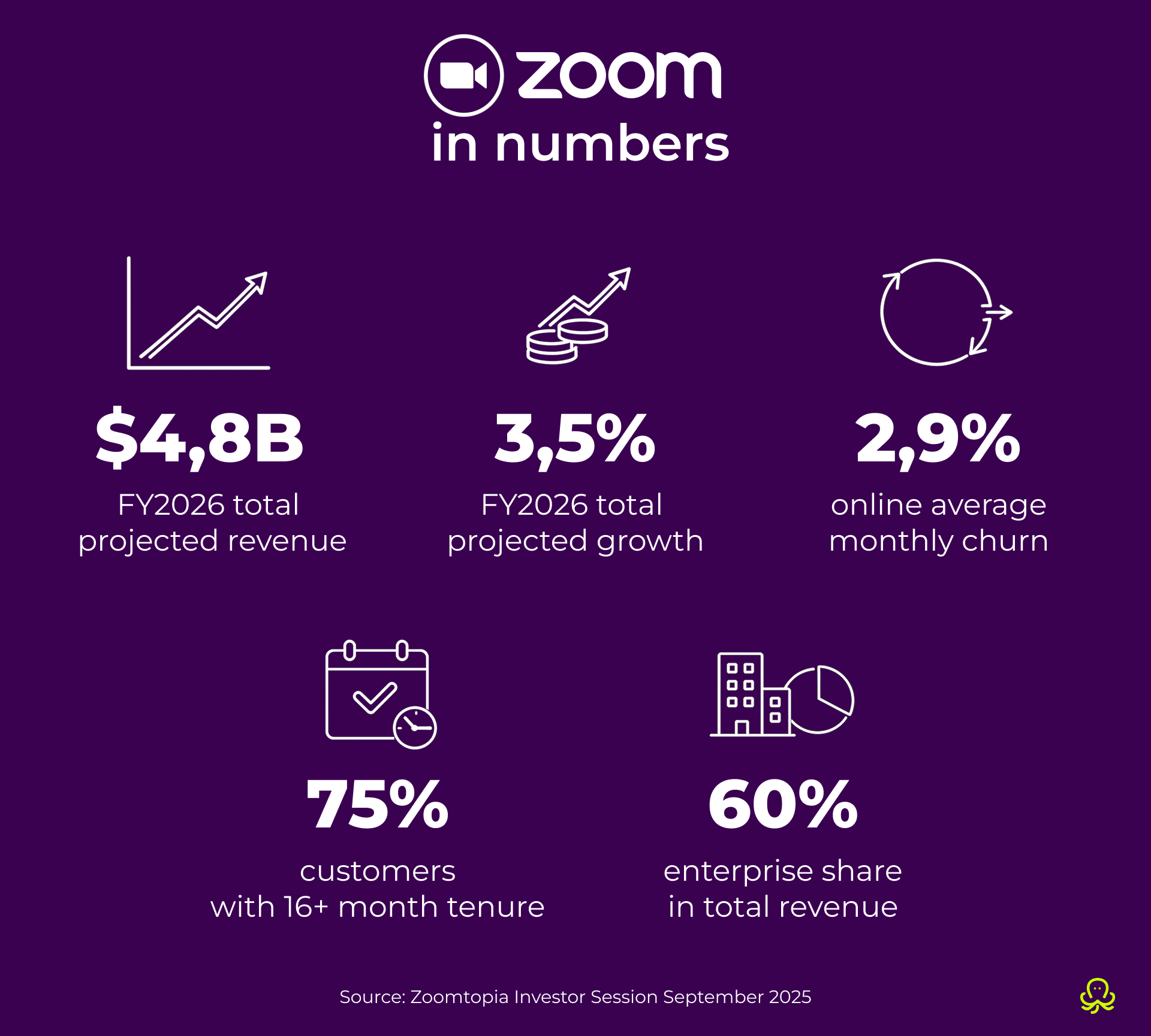
In the rush to move assessments online, many institutions turned to tools already on their shelf. Video conferencing platforms like Zoom were quickly repurposed to proctor exams remotely. And Zoom is doing very well these days.
Using Zoom to proctor exams may seem like a simple solution. It’s familiar. It’s available. It’s already on everyone’s device. But when it comes to maintaining integrity in high-stakes online exam proctoring, simple isn’t always secure.
Many institutions still rely on Zoom exam proctoring for certification tests, professional licensing, or remote admissions. But this stopgap approach comes with hidden risks for test takers, assessment administrators, and proctors. While it may feel familiar, Zoom proctoring is not designed for the complex realities of online exam delivery.
From ID verification challenges to inconsistent test environments, using Zoom to proctor exams often adds friction rather than removing it. Below, we unpack the hidden issues behind Zoom exam proctoring and why a dedicated online proctoring platform is a better way to protect exam integrity, scalability, and user experience.
Let’s start with the obvious: Zoom is a meeting tool, not a secure exam proctoring system.
It doesn’t know when a test starts or ends. It can’t lock down a browser or restrict screen sharing. It doesn’t automate ID checks, room scans, or red-flag detection. Proctors are left juggling tabs, manually verifying whether the ID matches the test taker, issuing verbal instructions, and typing notes into external spreadsheets, all while supervising multiple candidates.
If your goal is online exam proctoring at scale, this is a recipe for fatigue, inconsistency, and human error.
For organizations, Zoom exam proctoring isn’t free, even though you have already bought and been using Zoom for ages, and it has a great adoption rate in your organization, people just love it. So you do not understand why you need to invest in anything else. Well, though Zoom may look like a budget-friendly solution for live exam proctoring, institutions often end up paying more in the long run.
Live proctoring can never be low-cost. Unlike AI-powered or hybrid proctoring tools, Zoom-based supervision requires one human proctor for every dozen test takers. Multiply that by hundreds of candidates, and staffing costs quickly spiral out of control.
Support overload. When test takers struggle with setup (installing Zoom, dealing with browser incompatibility, or switching between apps), they reach out to your support team, not Zoom’s. Institutions absorb that support burden, requiring more staff, higher operational costs, etc. And if you skip these additional investments, longer response times enter the scene.
Reputation damage means a long-term loss. A chaotic exam experience doesn’t just affect test takers, it reflects on your brand. Confused candidates, technical issues, and perceived unfairness lead to angry feedback, dropped assessments, and negative word of mouth. One exam gone wrong can harm years of trust-building.
Let's make a pause here and compare that with a modern proctoring platform that includes everything in one workflow: secure exam proctoring, automated ID verification, and seamless handoff. Bingo.
Live proctoring with Zoom might work for small groups (though, to be completely honest, it doesn’t). But as volume grows, institutions quickly run into:
To cut a long story short, Zoom proctoring doesn’t scale well. Managing 500 candidates with 50 live proctors? Good luck. And yes, you will need to buy a Zoom meeting license to do this.
That’s why most high-stakes certifications are moving toward platforms purpose-built for remote proctoring services, tools that automate routine checks, offer multi-device proctoring, and handle edge cases by design.
Test takers (and many of them already stressed) face a maze of setup steps:

In one recent case, a test taker had to take a photo of their ID with their phone and hold it up to their webcam, just so their proctor on Zoom could see it clearly, as the laptop camera was weak and couldn’t focus on the ID.
This isn’t just awkward. It creates real inequities based on access to technology, language fluency, and ID type. Plus test takers often pay the price in time, effort, and even exam failure due to tech breakdowns or miscommunication.
As another candidate described: “We had to log in an hour early to test everything (Zoom, browser, OS, connection, etc.).”
While proctoring with Zoom is crearly painful for test takers, it’s tough on the proctors themselves. Without purpose-built tools, proctors are expected to supervise multiple candidates while manually:
It’s all exhausting and hence inefficient.
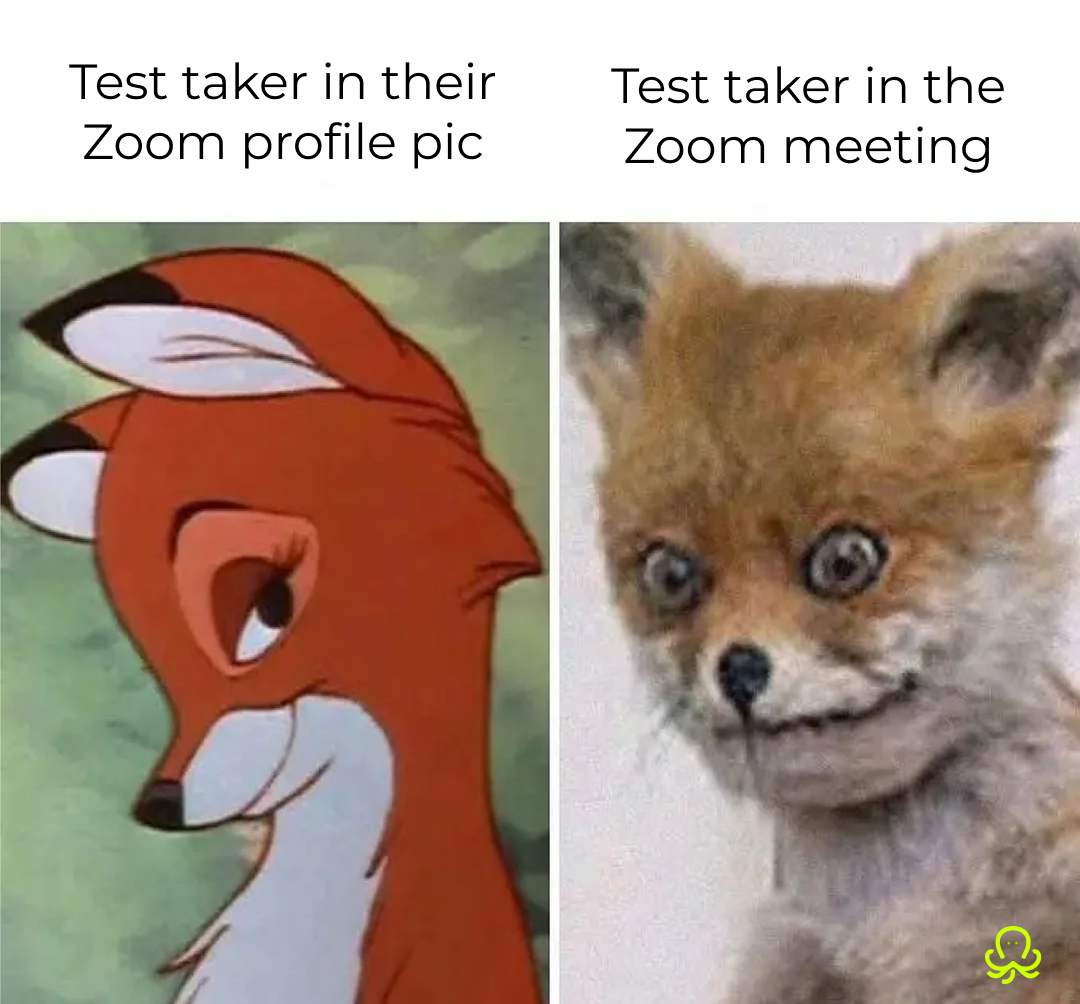
One proctor shared that managing Zoom live proctoring sessions feels like air traffic control without radar. And since every candidate setup is different (different devices, internet quality, ID formats), it’s impossible to apply consistent rules across the board.
As stress builds and human error creeps in, institutions face greater compliance risks, inconsistent flagging, and potential disputes.
In contrast, modern online proctoring platforms lighten the load: automation handles ID verification and suspicious behavior detection, so human proctors can focus on what matters most: providing support, not policing chaos.
Purpose-built online proctoring platforms offer a more reliable, secure, and user-friendly experience for everyone involved.
Platforms like OctoProctor are designed from the ground up for online exam supervision. They combine AI monitoring, secure browser technology, test-taker support, and detailed reporting, all in one system. They work across devices, integrate with your LMS or exam platform, and require far less manual oversight.
If you’re still proctoring with Zoom, it might be time to rethink. Because your test takers deserve better. Your proctors deserve tools that help them do their jobs. And your institution deserves a scalable, secure way to protect exam integrity without compromise.
Let’s talk about smarter proctoring tools for your online assessments. Book a free consultation to explore how OctoProctor helps institutions deliver fair, scalable, and secure online assessments without the Zoom headaches.
Book a consultationA: Yes. But just because you can proctor exams on Zoom doesn't mean you should. Zoom was never designed as an online proctoring platform. It lacks essential proctoring tools such as automated behavior analysis, secure browser lockdown, and ID verification workflows. This leaves proctors overstretched and test-takers frustrated.
A: In Zoom exam proctoring setups, each test-taker joins a Zoom call where a live proctor watches them via webcam. The proctor manually verifies the candidate’s identity, requests a room scan, and monitors their behavior throughout the test. It’s a high-touch, low-efficiency process with significant room for human error.
A: Using Zoom to proctor exams creates vulnerabilities in exam integrity and scalability. Without automation, violations can go unnoticed. For institutions, this means reputational risk. For test-takers, it can lead to stress, miscommunication, and unfair disqualification.
A: Zoom itself doesn’t offer exam integrity software. Any integrity depends solely on the vigilance of human proctors. This makes it difficult to demonstrate compliance with industry standards or defend against challenges.
A: Zoom proctoring is essentially live video surveillance. A true proctoring platform — like OctoProctor — offers multi-layered security with AI-powered monitoring, ID checks, and incident reporting. These tools help scale online proctoring while maintaining fairness and auditability.
A: Absolutely. OctoProctor and other dedicated proctoring platforms are built specifically for online exam proctoring. They support multi-device proctoring, seamless LMS integrations, and scalable remote proctoring services. They're also more user-friendly for both test-takers and administrators.
A: Yes. OctoProctor’s flexible architecture supports proctoring integration with your exam delivery system and/or LMS, enabling secure online proctoring at scale.